
New plant HR setup, ready before the first shift
New plant HR setup is everything a factory needs on the people side before production starts: a manpower plan, the labour registrations, the first batch of hires, contractor and apprentice arrangements, payroll and attendance, and the basic HR policies. HRBS plans it with your project team and runs it to a dated checklist, so HR is not the reason a start date slips.
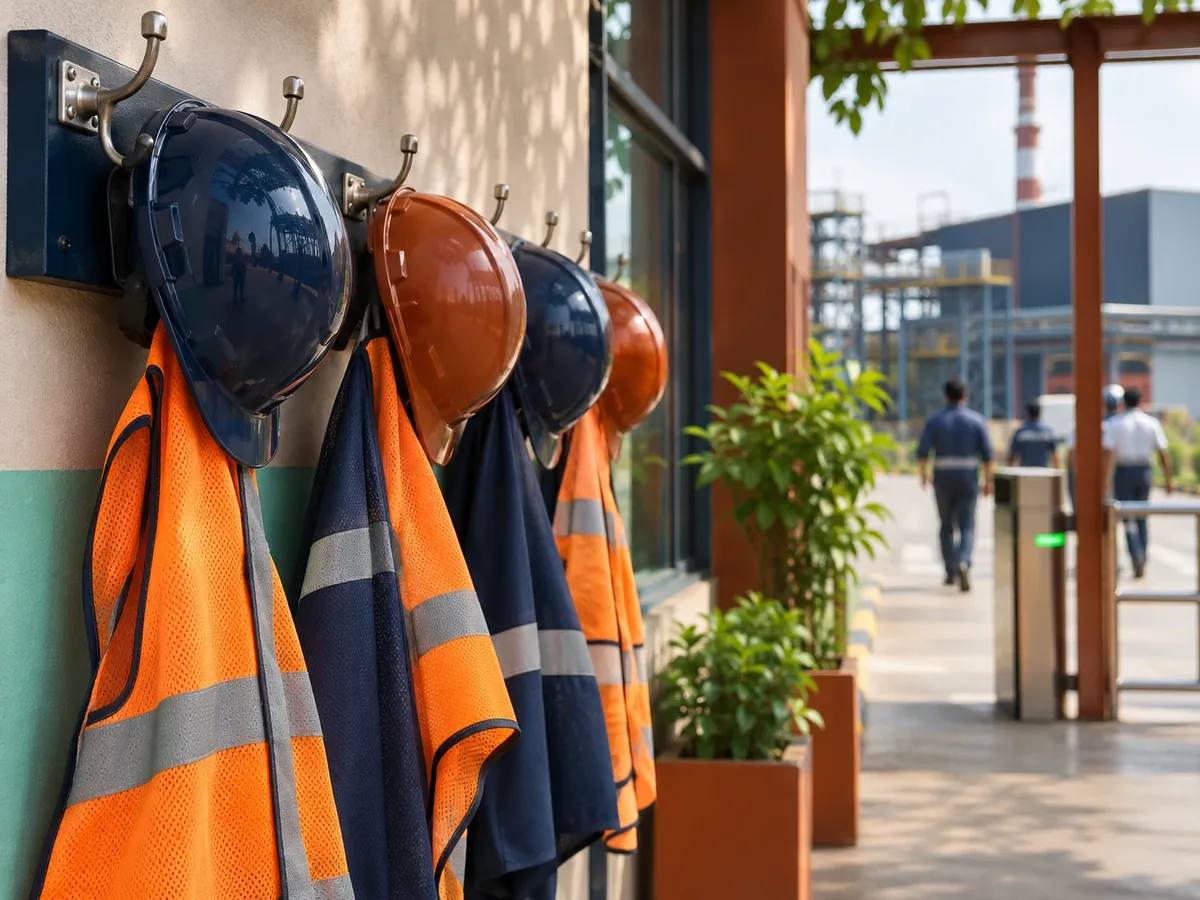
Most new plant projects track civil work, machines and power closely. HR usually starts late, with one person asked to hire a few hundred people, register the establishment and set up payroll in the same few weeks. The result is familiar: rushed hiring, contractors without valid licences, attendance on paper and the first salary run done by hand. Starting HR early moves that work forward and gives it an owner and a plan.
What the setup includes
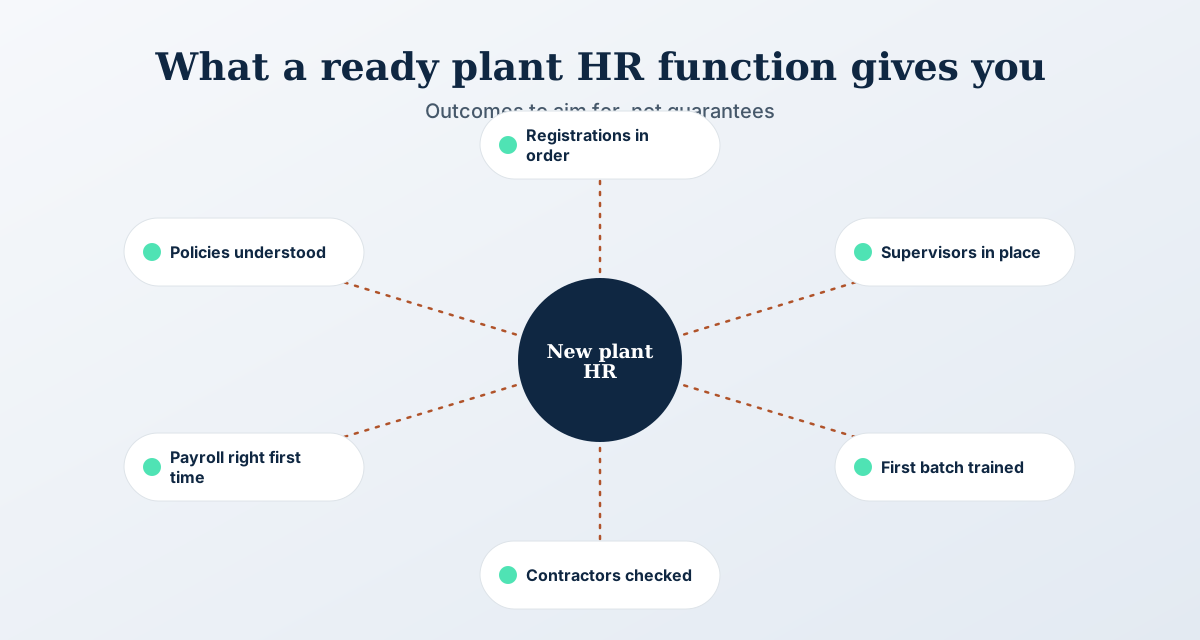
Six parts, each with a clear output.
The scope on one page
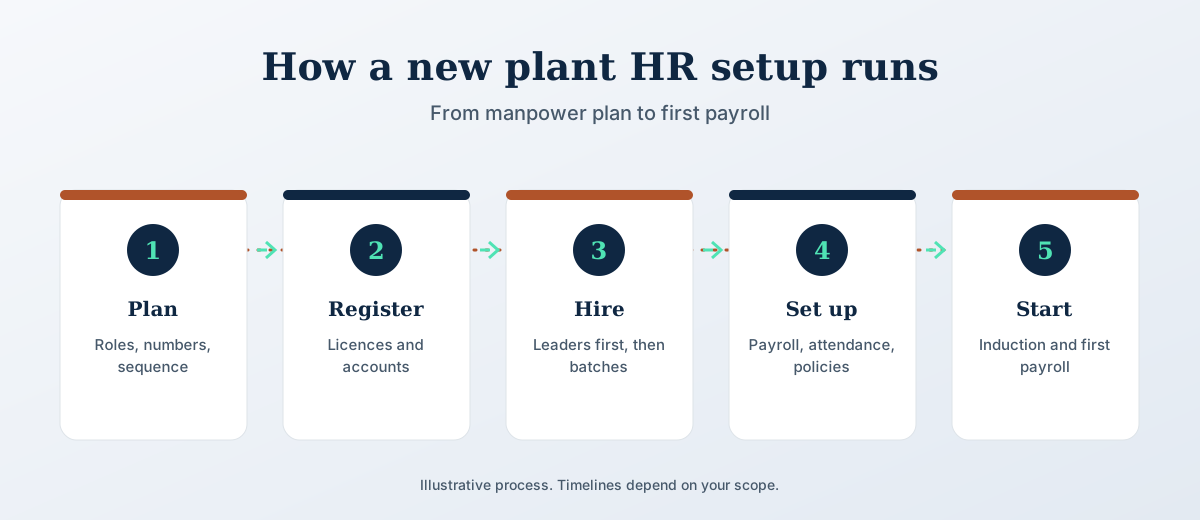
How the setup runs
Five stages. The scope and timeline are agreed in writing before work starts.
Why start HR early
Some registrations have to be in place before people join, and several depend on others being done first. Senior hires take longer to close than operators, and supervisors need to be on the payroll before the first operator batch so they can help train it. If HR begins a few weeks before trial production, these steps pile up at once. Starting during the construction phase lets each one happen in order.
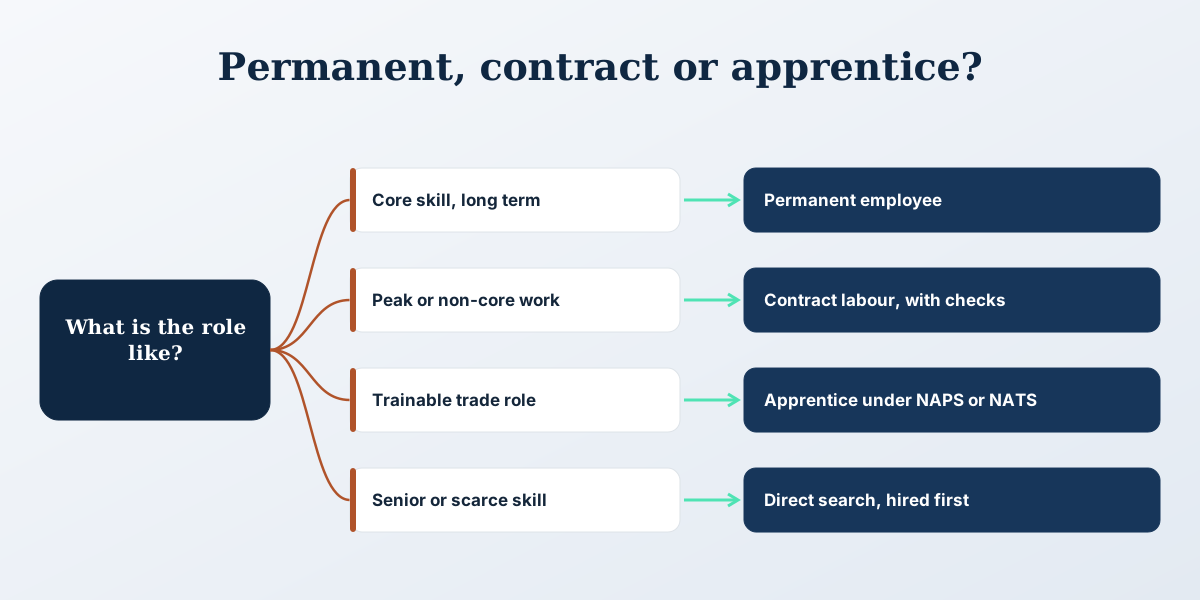
An early start also lets you settle the workforce mix calmly. Which roles should be permanent, which can sit with a contractor, and which suit apprentices is a cost and risk decision. It is easier to make it on paper than after people have joined.
What you have on day one
- A manpower plan signed off by the plant head and finance
- A registration tracker showing each licence, its status and its owner
- Supervisors and key technicians already on the payroll
- Contractor files checked before their workers enter the gate
- Biometric attendance linked to payroll, tested with a dummy month
- HR policies printed, explained and acknowledged by each employee
- A compliance calendar with every monthly and annual filing dated
Mistakes that cost the most
Four problems come up again and again when a plant opens. The first is hiring operators before supervisors, so nobody is ready to train them. The second is accepting a contractor on price alone and finding later that its licence, wage records or PF deposits are not in order, which leaves the principal employer exposed. The third is loading attendance and salary data by hand for the first month and carrying the errors forward. The fourth is writing HR policies at head office and never explaining them on the shop floor, so the first grievance turns into a dispute.
None of these needs a large budget to avoid. Each one needs someone to own it, a date and a check before production starts.
What we need from you
- The project timeline, with trial and commercial production dates
- Plant layout, product mix and planned shifts
- Your budget range for wages and the staff structure you have in mind
- Contacts for the project head, finance and any existing corporate HR
- Details of contractors you already plan to use
Who it suits
It suits manufacturers opening a greenfield plant, adding a second or third site, or moving production to a new state. It also suits overseas companies setting up their first Indian factory who need an HR partner that knows plant work. If you already have a corporate HR team, HRBS works alongside it and takes the plant-specific load.
The first 90 days of production
Good new plant HR setup does not end when the first shift starts. In the first three months, HRBS checks that attendance data reaches payroll without manual fixes, that contractors file wage and PF records on time, and that supervisors hold the short daily and weekly reviews agreed during setup. People who leave early are asked why, so the cause is known while it can still be fixed.
Policies are tested against real cases, such as the first overtime query or the first clash over leave, and adjusted where they do not work on the floor. At the end of the period you get a short review: what held, what needed changing, and the open actions with owners and dates. From there you can run HR in-house, keep HRBS on a retainer, or move routine work to managed HR operations.
The process in pictures
Three views of how this works: the steps, how to choose, and what to aim for.
Start with a free HR review
A short call about your situation. We tell you what to do first, and you decide whether to work with HRBS.
Book a free HR reviewNew Plant HR Setup FAQs
When should new plant HR setup start?
Ideally while the building is still under construction, several months before trial production. That leaves time for registrations that depend on each other, for senior hires that take longer to close, and for supervisors to join before the first operator batch.
Which registrations does a new plant need?
It depends on the state, the industry and the workforce size. Typical items include establishment registration, factory licence, PF and ESI accounts, professional tax and labour welfare fund where they apply, and contractor-related registrations. The licences page lists them with an as-of date.
Can HRBS hire the first batch of operators?
Yes. HRBS runs bulk hiring for operators, technicians and supervisors, timed to your ramp-up plan. Apprentices can be added under NAPS or NATS for trainable trade roles, which spreads training cost over the first year.
Do you set up payroll as well?
Yes. HRBS designs salary structures, sets up statutory deductions and attendance links, and checks the first payroll run line by line. Ongoing payroll can stay with HRBS or move to your own team once it is stable.
Is this a legal service?
No. HRBS is an HR consultancy, not a law firm. We prepare and track registrations and policies with your team. Where a legal opinion or a court matter is involved, we work with your counsel.
Talk to HRBS about your new plant
Book a free HR review. It is a short call, and we tell you what to do first.
Book a free HR review